

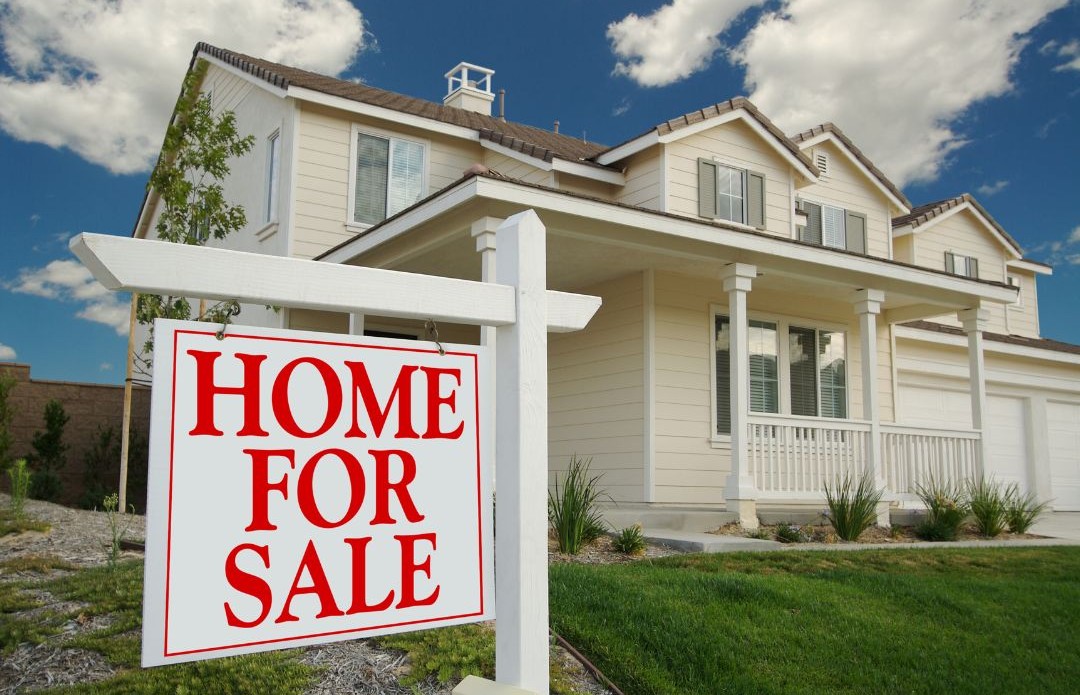
Your house has been sitting on the market for months, and each passing week brings a fresh wave of stress that keeps you awake at night. The mortgage payments continue while showing after showing yields nothing but polite feedback and empty promises from potential buyers. This emotional and financial strain affects thousands of homeowners who watch their dreams of moving forward get stuck in real estate limbo. You're capable of turning this situation around, and the solution often lies in strategic adjustments rather than accepting defeat. This article breaks down the specific reasons houses fail to sell and provides you with proven strategies that have helped countless homeowners overcome similar challenges. You'll discover how to conduct accurate pricing analyses using recent market data, transform your home's presentation through effective staging techniques, and harness both traditional and digital marketing channels to reach serious buyers. We'll examine real case studies where strategic price adjustments, improved home presentation, and targeted marketing efforts resulted in successful sales within weeks of implementation. The key lies in understanding that flexibility in negotiations and data-driven decision making can dramatically shift your results. Rather than continuing to hope for different outcomes while using the same approach, you'll learn how to make calculated changes that address the root causes keeping buyers away. What specific factors might be preventing your house from selling, and which proven strategies could work best for your unique situation?

Pricing Pitfalls
Market conditions shift faster than most homeowners realize, and what worked six months ago might be the exact reason your property remains unsold. Sellers often fall into the trap of what agents describe as "aspirational pricing" — setting values based on peak market conditions rather than current buyer behavior. When borrowing costs rise and buyer demand softens, overpriced homes become casualties of wishful thinking rather than strategic positioning.
Impact of National Trends
Economic forces beyond your neighborhood directly influence how buyers approach your listing. Federal Reserve interest rate decisions affect mortgage rates, which immediately change what buyers can afford to spend on homes. Nearly one in five homes currently on the market has had its asking price lowered at least once, reflecting the widespread nature of initial overpricing. Cities that experienced dramatic appreciation during recent years — Austin, Boise, and Phoenix — now see properties sitting for weeks or months without offers. Buyers no longer compete aggressively; instead, they wait for sellers to adjust expectations downward.
The disconnect between seller hopes and buyer reality creates extended market times that cost you money daily. Properties priced above market value don't just sell slowly — they often require deeper discounts later because they develop a stigma among agents and buyers who assume something must be wrong. Understanding these broader patterns helps you position your home competitively from the start rather than chasing the market downward.
Conducting a comprehensive pricing evaluation requires examining multiple data sources rather than relying on outdated comparables. Start by analyzing homes that sold within the past 90 days in your immediate area, focusing on properties with similar square footage, lot size, and condition. Pay special attention to days on market for each sale — homes that sold quickly likely were priced correctly, while those that took longer might have started too high.
Next, examine current active listings to understand your competition. Homes priced similarly to yours represent direct alternatives for buyers, so evaluate their features, condition, and marketing presentation. If competing properties offer better value or presentation, you must either improve your home's appeal or adjust your price accordingly.
Professional appraisers use the sales comparison approach, cost approach, and income approach when valuing properties. The sales comparison method remains most relevant for residential properties, but you should also consider replacement costs and neighborhood rental rates to validate your pricing strategy. Online valuation tools provide starting points, but they cannot account for unique features, recent improvements, or current market sentiment that affects buyer behavior.
Monitoring weekly price changes in your market reveals momentum shifts before they become obvious trends. Properties that reduce prices frequently indicate oversupply or changing buyer preferences. Tracking absorption rates — how quickly homes sell relative to new listings — helps predict whether current pricing strategies will succeed or require modification.

First Impressions Matter
Buyers form opinions about your home within seconds of stepping through the front door, and these snap judgments often determine whether they'll submit an offer or continue their search elsewhere. The emotional connection between potential purchasers and your property depends heavily on how well you've prepared each room to showcase its potential. Professional staging creates an environment where visitors can envision their daily routines unfolding naturally within your walls. 77% of buyers' agents agree staging a home makes it easier for buyers to visualize the property as their future home.
Strategic presentation goes beyond simple cleanliness and organization — it involves creating a lifestyle narrative that resonates with your target demographic. Neutral color palettes allow buyers to mentally overlay their own belongings without distraction, while carefully selected furniture pieces demonstrate optimal room functionality. The investment required for effective staging typically represents a fraction of your home's value, yet the returns can be substantial. Homes that are staged sell 73% faster than those that are not staged, making this one of the most cost-effective strategies available to struggling sellers.
Key Updates and Improvements
Fresh paint transforms tired spaces into move-in ready showcases that command attention from discriminating buyers. Choose warm whites or soft grays that complement natural light patterns throughout different times of day. Kitchen cabinet hardware replacement offers dramatic impact for minimal expense — brushed nickel or matte black finishes instantly modernize dated cabinetry without requiring full renovation. Light fixtures deserve special attention since they often serve as focal points that either enhance or detract from room ambiance.
Flooring improvements yield immediate visual returns when budget allows for strategic upgrades. Luxury vinyl plank flooring provides the appearance of hardwood at a fraction of the cost, while professional carpet cleaning or replacement eliminates odors and stains that repel potential buyers. Bathroom updates focus on fixtures, faucets, and vanity hardware that signal quality without requiring extensive plumbing modifications.
Landscaping creates curb appeal that draws buyers inside for closer inspection. Power washing exterior surfaces, trimming overgrown shrubs, and adding seasonal plantings demonstrate pride of ownership. Front door replacement or refinishing paired with updated house numbers and mailbox hardware signals attention to detail throughout the property.
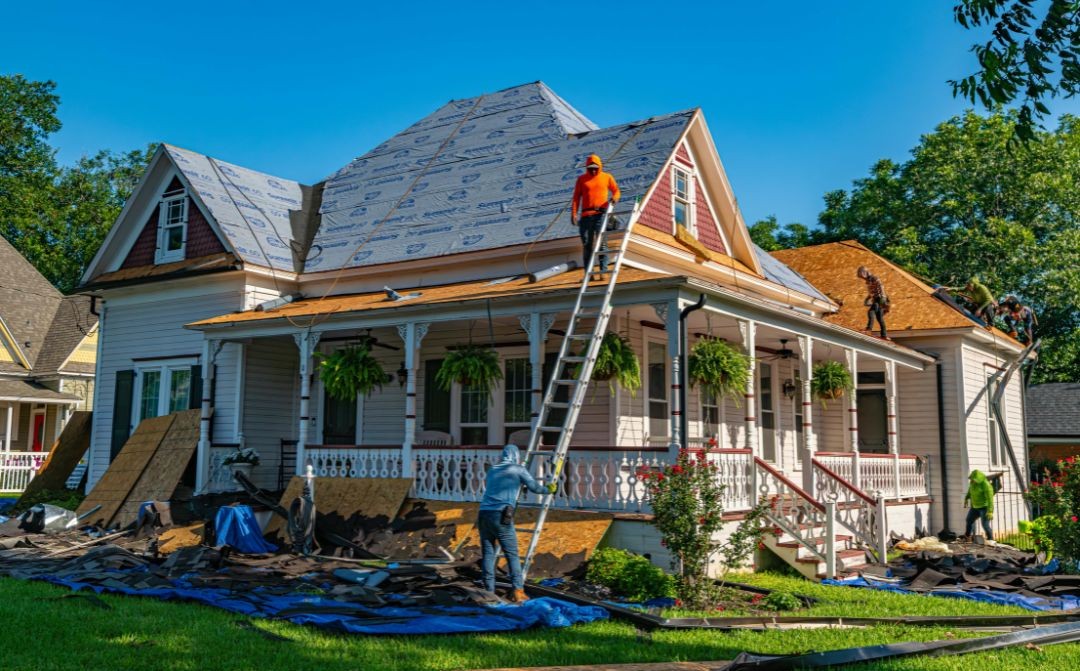
Visual Transformations
Lighting strategy involves maximizing natural illumination while adding warm artificial sources that create inviting atmospheres. Remove heavy window treatments that block sunlight, and replace them with light-filtering options that maintain privacy without sacrificing brightness. Table lamps and floor lamps positioned strategically throughout living areas eliminate harsh shadows and create cozy conversation zones.
Furniture arrangement opens traffic flow patterns while highlighting architectural features buyers might otherwise overlook. Remove oversized pieces that make rooms appear cramped, and position remaining items to create clear pathways between entry points and focal areas. Mirrors placed opposite windows amplify natural light and create illusions of expanded space.
Decluttering extends beyond basic organization to include personal photographs, religious items, and hobby collections that might alienate certain buyer segments. Storage solutions should remain invisible while maintaining functionality — closed baskets, ottomans with hidden compartments, and built-in shelving keep necessary items accessible without creating visual chaos.
Implementing these presentation strategies typically generates returns that far exceed initial investment costs. Over 65% of 900 realtors surveyed believe that home staging helps sell a house for more money, while 40% of buyers are more willing to visit a staged home they found online. Professional staging services cost between 1% and 3% of asking price but can increase perceived value by 6% to 10% according to industry professionals.

Marketing Magic
Exposure determines whether qualified buyers discover your property among thousands of competing listings flooding online platforms daily. Your home might be perfectly priced and beautifully presented, but without strategic promotional efforts reaching the right audience, it remains invisible to serious purchasers actively searching for properties like yours. The most successful sellers combine multiple promotional channels to maximize visibility while targeting specific buyer demographics who match their property profile.
Traditional vs. Digital Marketing
Print advertisements in local newspapers and real estate magazines still reach certain buyer segments, particularly older demographics who prefer tangible media over digital platforms. Open houses create opportunities for immediate feedback and emotional connections that online listings cannot replicate. Yard signs generate neighborhood awareness and capture drive-by interest from potential buyers already familiar with the area.
However, digital channels now dominate real estate promotion strategies. 54.2% of real estate agents' marketing budgets are allocated to digital marketing, reflecting where buyers spend their time researching properties. Online listing platforms like MLS databases feed into major consumer websites where 95% of buyers begin their search process. Professional photography becomes essential since listings with professional photography sell 32% faster than those without.

Social Media Strategies
Facebook advertising allows precise targeting based on income levels, age ranges, and geographic preferences that match your ideal buyer profile. Instagram showcases visual content that highlights your home's best features through carefully curated photo galleries and story sequences. LinkedIn reaches professional networks where relocating executives and high-income buyers maintain active profiles.
Video content generates exceptional engagement across all platforms. Listings with video generate 403% more inquiries compared to static photo galleries alone. YouTube serves as the most popular search engine among 51% of home purchasers, making video walkthroughs essential for reaching motivated buyers. These virtual tours increase buyer confidence by 28% before they schedule in-person showings.
Email campaigns nurture relationships with potential buyers who expressed initial interest but haven't committed to purchasing decisions. Real estate businesses achieve a 37.18% average email open rate, significantly higher than most industries. Email drip campaigns improve conversion rates by 25% by maintaining consistent communication with prospects over extended periods.
Converting online interest into actual showings requires strategic follow-up systems that respond quickly to inquiries. Homes featuring aerial photos sell 68% faster than traditional ground-level photography, providing unique perspectives that differentiate your listing from similar properties. Professional drone footage captures neighborhood context and property boundaries that help buyers understand location advantages.
Tracking engagement metrics across different platforms reveals which promotional strategies generate qualified leads versus casual browsers. Organic search delivers an average conversion rate of 3.2% while paid search achieves 1.5%, indicating that content optimization often outperforms expensive advertising campaigns. Monitoring click-through rates, inquiry volumes, and showing requests helps optimize promotional spending for maximum return on investment.

Negotiation Know-How
Successful deal closure often hinges on your willingness to explore alternative arrangements that address buyer concerns beyond the basic purchase price. Skilled negotiators understand that rigid adherence to initial terms frequently leads to stalemate situations where both parties walk away empty-handed. The most effective approach involves identifying what matters most to each side and crafting solutions that satisfy those core priorities. "Creative deal structuring is an advanced negotiation tactic that focuses on finding mutually beneficial terms beyond the dollar amount."
Real estate transactions involve numerous variables that can be adjusted to create value for both parties without necessarily increasing your financial burden. Smart sellers recognize that buyers often face constraints beyond available cash — timing pressures, financing limitations, or specific move-in requirements that traditional offers cannot accommodate. "This approach allows buyers and sellers to explore flexible solutions that address individual needs and priorities, leading to win-win scenarios."
Consider these strategic alternatives that can make your property more attractive to hesitant buyers:
- Closing cost assistance — Contributing $3,000 to $8,000 toward buyer expenses often proves more appealing than equivalent price reductions
- Home warranty coverage — One-year protection plans costing $400 to $800 provide buyer confidence while demonstrating seller commitment
- Appliance inclusion — Leaving behind washer, dryer, or refrigerator adds perceived value without significant seller expense
- Flexible possession dates — Allowing buyers early occupancy or sellers extended stay periods accommodates unique scheduling needs
- Repair credits — Offering cash allowances for buyer-managed improvements instead of completing work yourself
- Rate buydown contributions — Helping reduce buyer mortgage rates through temporary or permanent buydown arrangements
- Personal property transfers — Including outdoor furniture, window treatments, or storage systems that complement the home
Homeowners with substantial equity possess powerful negotiation advantages that can differentiate their offers in competitive situations. Your accumulated home value serves as collateral for bridge loans, home equity lines of credit, or cash-out refinancing that enables more attractive purchase terms. Buyers appreciate sellers who can guarantee quick closings, waive financing contingencies, or provide rent-back arrangements because these demonstrate financial stability and transaction certainty.
Equity-backed negotiations allow you to make strategic concessions that cost little but provide significant buyer value. For instance, offering to cover transfer taxes, HOA fees, or utility deposits represents minimal expense relative to your property value but addresses buyer cash flow concerns. You might also structure lease-back agreements where you pay market rent for temporary occupancy, giving buyers immediate ownership while allowing you time to secure replacement housing.
Adapting your negotiation stance based on buyer feedback and market conditions demonstrates the professional approach that closes deals efficiently. "Rather than getting locked into a price war, thinking outside the box can unlock opportunities that create significant value for both parties." Rigid sellers who refuse reasonable requests often watch qualified buyers pursue more accommodating alternatives. Monitor how long similar properties remain active, track price reduction patterns in your neighborhood, and adjust your willingness to negotiate accordingly. Successful transactions require ongoing communication where both parties feel heard and respected throughout the process.

Strategic Reassessment
Homeowners often discover that their initial approach contained fundamental flaws that prevented qualified buyers from engaging with their property listing. The willingness to examine and modify your selling strategy separates successful sellers from those who continue experiencing the same disappointing results month after month. Effective strategy modification requires honest evaluation of every component that influences buyer perception and decision-making processes. You possess the capability to identify which elements need adjustment and implement changes that generate immediate improvements in buyer interest.
Adapting your approach based on concrete evidence rather than assumptions creates the foundation for successful property sales. Market feedback provides valuable clues about buyer hesitations, while listing analytics reveal patterns in viewing behavior and inquiry responses. The most capable sellers treat their initial listing period as research that informs better decision-making during subsequent attempts. Your real estate agent can provide valuable insights into these areas, offering data and observations to help you understand the previous outcome and plan for the future.
Comprehensive market analysis reveals trends that directly impact your property's competitiveness within current buyer pools. Days on market statistics for similar properties indicate whether your timeline expectations align with neighborhood realities. Buyer activity patterns show seasonal fluctuations, price sensitivity thresholds, and feature preferences that influence purchase decisions. Sometimes, a slight price reduction can generate new interest and activity among buyers who previously dismissed your listing due to perceived overpricing. Tracking competitor price movements, new listings, and successful sales provides the intelligence needed to position your property strategically within the active marketplace.
One suburban home in Colorado struggled for four months at $485,000 before the sellers conducted thorough market research that revealed similar properties selling consistently around $450,000. The owners reduced their price to $459,000 and simultaneously invested $3,200 in professional staging that highlighted the home's mountain views and open floor plan. Within three weeks of relisting, they received multiple offers and closed at $462,000 — achieving a faster sale despite the lower asking price.
Another property situation involved a townhouse in Florida that received minimal showing activity during its first six weeks on the market. The sellers discovered that their listing photos failed to capture the property's updated kitchen and renovated bathrooms, while the description emphasized square footage rather than lifestyle benefits. After hiring a professional photographer and rewriting the listing to highlight proximity to beaches and downtown entertainment, showing requests increased by 300% within the first week of relisting.
A ranch-style home in Ohio sat unsold for three months because the sellers refused to address obvious maintenance issues that buyers consistently mentioned during showings. Replacing worn carpeting, repainting interior walls, and updating light fixtures cost $4,800 but resulted in a sale within five weeks of relisting. The final sale price exceeded their investment by $12,000 compared to the highest offer received during the original listing period.
Implementing systematic changes based on documented buyer feedback transforms properties from market casualties into desirable purchases. Tracking which modifications generate increased activity helps prioritize future improvements while maximizing return on investment. A knowledgeable agent is crucial for a successful relisting, providing expertise in market analysis, pricing strategies, and promotional techniques that reach qualified buyer segments effectively.

Actionable Steps for Success
Transforming your property from a stagnant listing into a sold home requires methodical execution of specific tasks that address buyer concerns systematically. Each component of your relisting strategy must work together to create maximum impact while minimizing wasted effort and resources. You have the power to control these variables and generate the results you've been seeking through deliberate action rather than hoping circumstances will change on their own.
Checklist for Preparing a New Listing
Essential preparation tasks form the foundation of every successful property sale, and completing these systematically prevents oversights that could derail buyer interest:
- Deep cleaning every surface — Professional cleaning services ensure spotless conditions that signal move-in readiness to potential purchasers
- Removing personal belongings and excess furniture — Clear spaces allow buyers to envision their own possessions within each room
- Completing minor repairs and touch-ups — Fresh caulk, working light bulbs, and functioning door handles demonstrate proper maintenance
- Hiring professional photographers — High-quality images capture attention online where 95% of buyers begin their property searches
- Researching comparable sales within 90 days — Recent transaction data provides accurate pricing benchmarks for current market conditions
- Writing compelling property descriptions — Detailed narratives highlight unique features and neighborhood advantages that differentiate your home
- Scheduling virtual tour creation — Video content generates 403% more inquiries than static photo galleries alone
Resources for Finding the Right Agent
Selecting qualified representation requires evaluating multiple candidates based on concrete performance metrics rather than personality alone. "Statistics speak for themselves," according to industry professionals who emphasize tracking key performance indicators like average days on market, closing ratios, and sale price achievements. Review agent profiles on platforms like HomeLight, examine their Google business pages, and analyze client testimonials to identify professionals with proven track records in your specific market segment and price range.

Step-by-Step Guide to Implementing Changes
Systematic implementation ensures each modification builds upon previous improvements to create cumulative impact:
- Analyze current market conditions — Study active listings, pending sales, and recent closures to understand competitive positioning and buyer preferences
- Address presentation deficiencies — Invest in staging services, fresh paint, or minor updates that enhance visual appeal without major renovation expenses
- Revise promotional materials — Update listing descriptions, replace inferior photos, and expand online presence across multiple platforms
- Adjust pricing strategy — Implement competitive pricing based on recent comparable sales rather than outdated market assumptions
- Monitor performance metrics — Track showing requests, online views, and buyer feedback to identify areas requiring further modification
- Refine approach based on results — Modify tactics weekly based on measurable outcomes rather than waiting months for organic improvement
Executing these systematic changes typically generates noticeable improvements in buyer activity within the first two weeks of implementation. Properties that follow comprehensive preparation protocols sell 73% faster than those relying on basic cleaning and minimal effort. Dedicated sellers who commit to methodical execution overcome previous obstacles and achieve their relocation goals through persistent, strategic action.
Final Thoughts
Your house sitting on the market doesn't mean defeat — it signals an opportunity to reassess and redirect your approach. We've covered the core strategies that transform stagnant listings into successful sales: conducting thorough pricing analyses based on recent comparable sales, enhancing your home's presentation through strategic staging and necessary repairs, and implementing comprehensive marketing campaigns that blend traditional methods with digital platforms.
These proven techniques work because they address the fundamental reasons buyers hesitate. When you price correctly using data-driven analysis, stage effectively to help buyers envision themselves in the space, and market strategically across multiple channels, you create the conditions for a successful sale. The case studies and insights we've examined demonstrate that flexibility and willingness to adapt your strategy often make the difference between a home that languishes and one that sells quickly.
You're capable of overcoming the challenges that have kept your property unsold. The strategies outlined here provide a clear roadmap, but success requires action and sometimes professional guidance. Real estate markets shift constantly, and what worked six months ago might need adjustment based on current conditions.
Don't let frustration keep you stuck in an ineffective pattern. Take control by implementing these evidence-based approaches. Consider engaging a new real estate agent who brings fresh perspective and updated marketing techniques. Your home will sell when you combine the right pricing, presentation, and promotion strategy. Start making these changes now — your successful sale depends on the actions you take next.
Check out this article next