

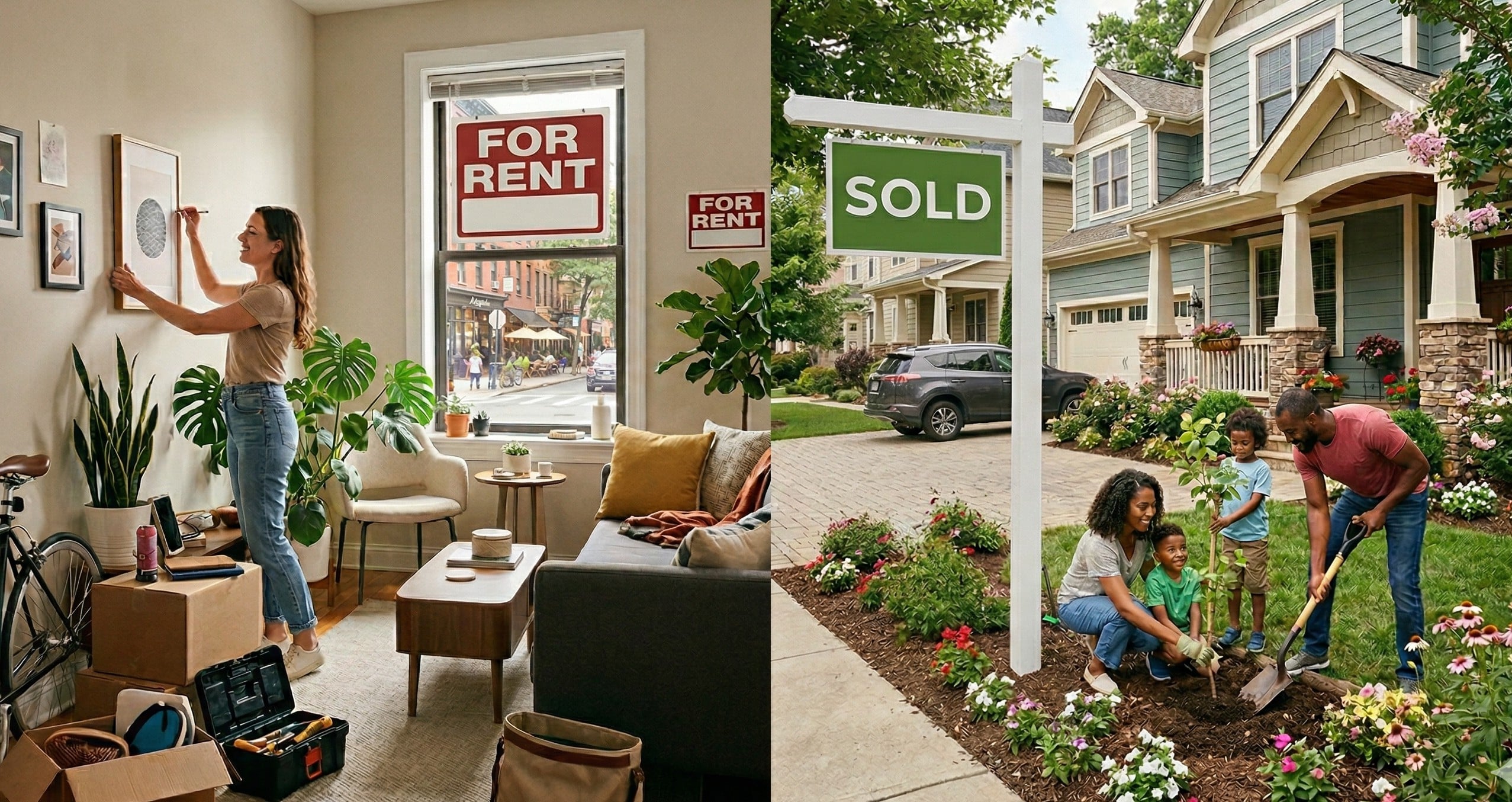
Are you better off renting, or is buying a home the smarter financial move right now?
Renting can feel safer and more flexible—but over time, the cost of renting vs owning a home often reveals a different story: you may be spending more without building any long-term wealth.
Why Renting Feels Like the “Safer” Choice
If you’ve ever felt hesitant about buying, you’re not alone. Many people lean toward renting because it feels lower risk and easier to manage.
When you rent, you:
- Avoid large upfront costs like a down payment
- Don’t have to worry about maintenance or repairs
- Have the flexibility to move more easily
- Aren’t tied to market fluctuations
On the surface, that sounds like a smart, stress-free option. And in the short term, it often is.
But here’s the bigger question: what’s happening to your money over time?
The Real Cost of Renting vs Owning a Home
When you look at the rent vs buy decision through a long-term lens, the numbers start to shift.
Every rent payment you make goes directly to your landlord. You’re covering their mortgage, helping them build equity, and contributing to their long-term investment—not yours.
Meanwhile, when you own a home:
- A portion of your monthly payment builds equity
- Your home may appreciate over time
- You gain more control over your housing costs
Over the years, this difference becomes significant.
Let’s break it down simply:
Renting:
- Monthly payments = 100% expense
- No return on your money
- Rent often increases over time
Owning:
- Monthly payments = part expense, part investment
- Equity grows as you pay down your loan
- Potential for property value appreciation
That’s why the cost of renting vs owning a home isn’t just about your monthly payment—it’s about what you’re left with after years of paying it.
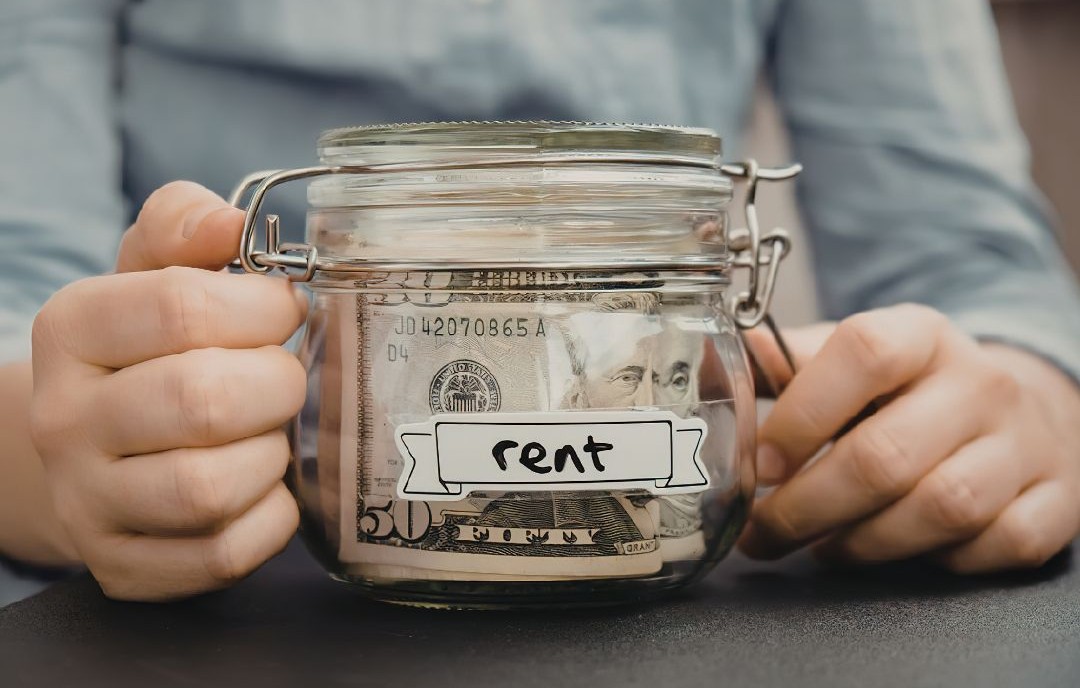
Are You Actually Paying More to Rent?
In many markets—including parts of the PNW areas—rents have steadily increased over time.
That means:
- You may be paying more each year for the same space
- Your housing costs aren’t fixed
- You’re not gaining any financial return
Compare that to owning, where a fixed-rate mortgage can stabilize your monthly payment over time.
Even if your initial mortgage payment is slightly higher than rent, you’re:
- Locking in a predictable payment
- Building equity with each payment
- Creating a potential long-term asset
So while renting feels safer, it can quietly become more expensive in the long run.
The Hidden Opportunity Cost of Renting
One of the biggest factors people overlook in the should I rent or buy decision is opportunity cost.
Every year you rent, you’re missing out on:
- Equity growth
- Potential home appreciation
- Leverage (using a loan to build wealth)
Think about it this way:
If you rent for 5–10 years, that’s:
- Thousands of dollars paid with no return
- No ownership stake
- No asset to sell or borrow against
But if you own for that same period, you may walk away with:
- Built-up equity
- Increased home value
- More financial flexibility
That gap can be the difference between staying in the same financial position—or moving forward.
When Renting Does Make Sense
To be clear, renting isn’t a bad decision in every situation.
It can be the right move if:
- You plan to move in the near future
- You’re still building savings or improving credit
- You want maximum flexibility
- You’re not ready for the responsibilities of ownership
The key is being intentional.
Renting should be a strategic choice, not just the default.
How to Decide: Should You Rent or Buy?
If you’re trying to figure out should I rent or buy, here are a few questions to ask yourself:
- How long do you plan to stay in the area?
- Are your finances stable enough for homeownership?
- Do you want to build long-term wealth through real estate?
- Are you comfortable with the responsibilities of owning?
If you’re planning to stay put for several years, buying often becomes more financially advantageous over time.
Renting Feels Safe—But Ownership Builds Stability
There’s a reason renting feels comfortable: it minimizes short-term risk.
But ownership offers something different—long-term stability and growth.
Instead of:
- Paying rising rent year after year
You could be:
- Building equity
- Creating a financial asset
- Gaining more control over your future
The decision isn’t just about what feels easier today—it’s about what puts you in a stronger position tomorrow.
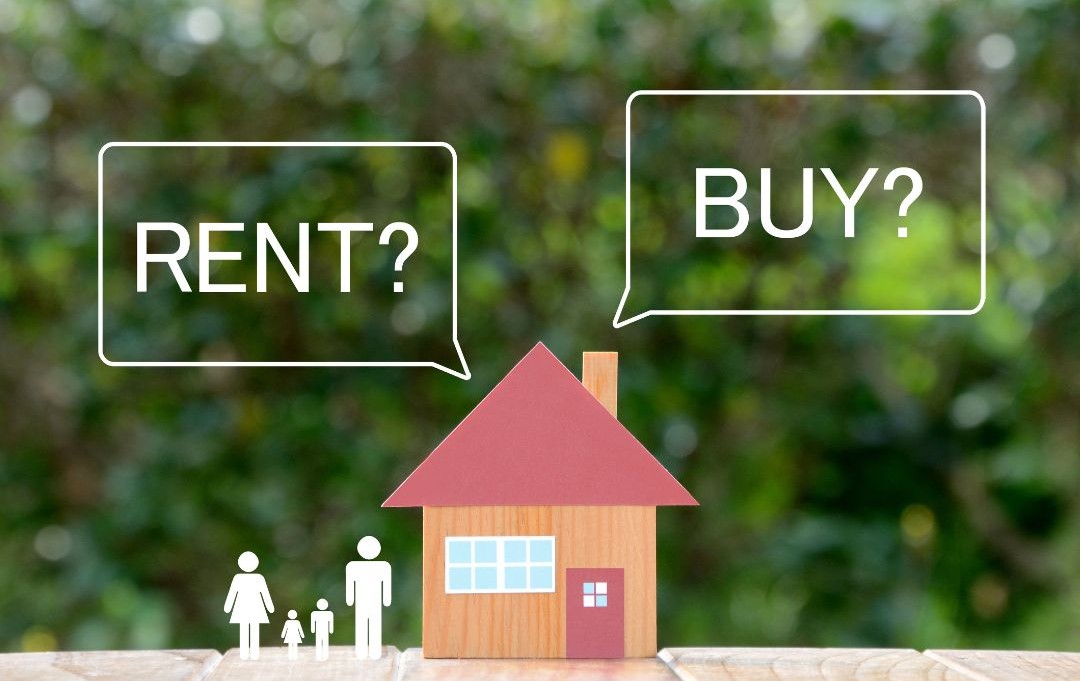
Final Takeaway
The rent vs buy decision isn’t one-size-fits-all—but if you look beyond the surface, renting may be costing you more than you realize.
When you compare the cost of renting vs owning a home, the real difference comes down to this:
Are you investing in your future—or someone else’s?
If you’re asking yourself, “should I rent or buy?”—it might be time to take a closer look at what your current path is actually costing you.
Ready to Explore Your Options?
If you’re in the PNW areas and wondering whether buying makes sense for you, let’s talk.
As a real estate agent and REALTOR®, I can help you break down your numbers, explore your options, and decide what truly fits your goals—no pressure, just real guidance.
Contact me today and let’s figure out your next move together.
Check out this article next