


What should you know about the buyer’s home inspection when selling your house?
A buyer’s home inspection is an important step in the home-selling process, but it doesn’t have to be stressful. When you understand what inspectors look for, how to prepare your property, and how to respond to the findings, you can approach this stage with greater confidence and make informed decisions about your next steps.
What Is a Buyer’s Home Inspection?
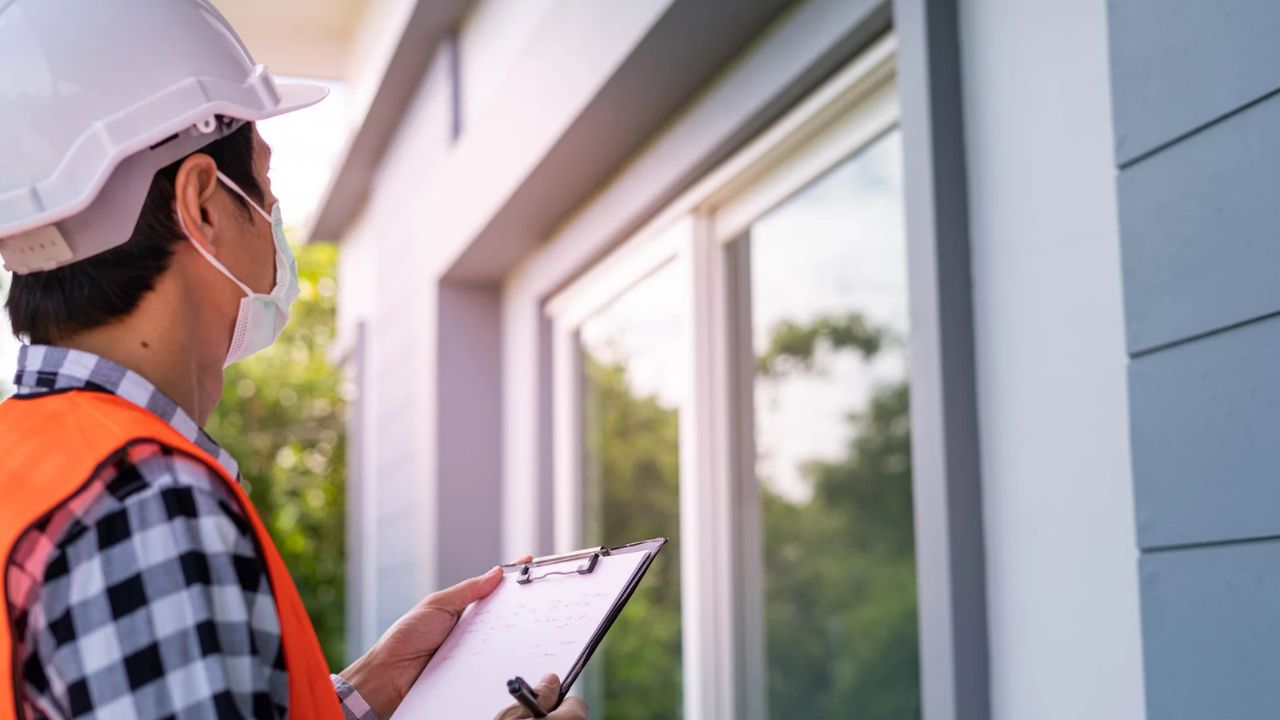
A buyer’s home inspection is a visual assessment of a property’s major systems and components, performed by a home inspector hired by the buyer. According to the American Society of Home Inspectors (ASHI), a standard inspection typically examines the home’s structure and major systems to provide information about their observed condition.
Depending on the property and inspection agreement, the inspector may evaluate:
The roof, gutters, and visible drainage conditions
The foundation and structural components
Plumbing fixtures and visible plumbing systems
Electrical components
Heating and cooling equipment
Windows, doors, walls, and ceilings
The attic, ventilation, and visible insulation
Keep in mind that a standard inspection is generally visual and limited in scope. It may not identify concealed defects or include specialized evaluations for issues such as pests, mold, or other environmental concerns.
How Should You Prepare for a Seller Home Inspection?
Preparing to sell a house includes more than staging rooms and making a great first impression. Before the buyer’s inspection, focus on making the property accessible and ensuring its systems can be evaluated.
Here are five practical steps to take:
1. Make important areas accessible. Clear pathways to the electrical panel, water heater, furnace, attic access, crawl-space entrance, and other accessible inspection areas. Remove stored items that could prevent the inspector from reaching these locations.
2. Address obvious maintenance concerns. Take care of manageable issues such as dripping faucets, loose cabinet hardware, damaged weatherstripping, or nonfunctioning lights. These small improvements can help demonstrate that you have maintained the home.
3. Gather maintenance records. Collect available receipts, warranties, service records, and documentation for major repairs or upgrades. Records can help answer questions about the home's maintenance history.
4. Make sure utilities are available. Coordinate with your real estate professional to confirm that necessary utilities and systems will be available for the scheduled inspection, as appropriate for the property and inspection agreement.
5. Share known property information accurately. Be prepared to discuss known issues and prior repairs. In Washington, seller disclosure obligations may apply under state law, subject to the transaction and any applicable exemptions or waivers. Review the requirements with your real estate professional and seek legal guidance when needed.
What Happens If the Inspector Finds Problems?
First, remember that an inspection report is not automatically a list of repairs you must complete. It documents the inspector’s observations and may recommend maintenance, repairs, or further evaluation by a qualified specialist.
Some findings may involve routine upkeep, while others could warrant closer attention. For example, a loose handrail may be relatively straightforward to address, while evidence of moisture intrusion or a concern about the electrical system may call for additional professional assessment.
Instead of reacting emotionally to every item in the report, take a measured approach:
Review the findings carefully. Understand what the inspector observed and which items may need further investigation.
Separate maintenance from significant concerns. Consider the nature of each issue and whether a qualified professional should evaluate it.
Discuss your options. Depending on the purchase agreement, the buyer may request repairs, a credit, a price adjustment, or another negotiated solution.
Review your contractual obligations. Your responsibilities and the buyer’s options depend on the terms of the agreement and applicable law.
You do not necessarily have to agree to every request. At the same time, ignoring a significant concern may complicate negotiations. A thoughtful response can help both parties determine an appropriate path forward.
Do You Have to Fix Everything on the Inspection Report?
Not necessarily. Whether you must make repairs depends on your purchase agreement, any negotiated amendments, and applicable legal requirements.
Some sellers choose to complete certain repairs before closing. Others negotiate a financial concession or agree on different terms with the buyer. In some situations, the parties may be unable to reach an agreement.
Before authorizing work or agreeing to concessions, discuss the report and your options with your real estate professional. For technical concerns, consider obtaining an assessment from an appropriately qualified professional. If you have questions about your legal obligations, consult a real estate attorney.
The goal is to make decisions based on the facts, your contractual responsibilities, and your priorities—not simply on the length of the inspection report.

How Can You Keep the Selling Process on Track?
Preparation and communication can make a meaningful difference during the inspection stage.
As you prepare for your sale, keep these principles in mind:
Be proactive about routine maintenance.
Keep records of repairs and improvements.
Respond to inspection findings calmly and promptly.
Avoid making promises about repairs before understanding the scope and cost.
Work with your real estate professional to navigate negotiations and deadlines.
For homeowners selling in Tacoma, Gig Harbor, Bremerton, or Port Orchard, the right preparation will depend on the individual property, its maintenance history, and the terms of the transaction. A plan tailored to your home is more useful than assuming every inspection will follow the same pattern.
The Bottom Line for Home Sellers
A buyer’s home inspection is an opportunity to learn more about your property’s condition and work through any concerns that arise during the transaction. By preparing ahead of time, organizing your records, and evaluating findings objectively, you can put yourself in a stronger position to navigate negotiations.
Preparing to sell a house means anticipating the steps ahead—not expecting the process to be completely free of surprises. With a clear plan and informed guidance, you can approach the inspection with realistic expectations and make decisions that support your selling goals.
Ready to Sell Your Home?
If you’re thinking about selling in Tacoma, Gig Harbor, Bremerton, Port Orchard, or the surrounding Pacific Northwest communities, I’d love to help you understand what to expect and prepare for the steps ahead.
Schedule a call or appointment with REALTOR® Lisa Wray, to discuss your home-selling plans, prepare for the buyer’s inspection, and develop a strategy tailored to your property.
Check out this article next