


Home builders are offering the most aggressive incentives in over a decade, with some providing up to $50,000 in buyer credits and mortgage rate buydowns that can save you thousands annually. The new construction market has shifted dramatically in favor of buyers, creating opportunities that many don't realize exist right now. Builders who overestimated demand are now sitting on completed homes and lots, leading to price reductions and creative financing options that weren't available just months ago. This article reveals the specific market conditions driving these opportunities and shows you how to capitalize on builder desperation through strategic negotiation. You'll discover the exact incentives available, from closing cost assistance to upgraded appliances and flooring, plus learn why timing your purchase now could save you more money than waiting for interest rates to drop. We'll also explore how new homes offer distinct advantages over existing properties, including modern energy efficiency, updated electrical systems, and builder warranties that protect your investment for years. Most importantly, you'll understand why working with an independent real estate agent rather than the builder's sales representative can mean the difference between getting a good deal and getting the best possible deal. These agents know builder profit margins, can negotiate multiple incentives simultaneously, and aren't bound by the limitations that restrict on-site sales teams. The current market won't last forever, and builders are already adjusting their strategies as inventory levels normalize. Are you ready to learn exactly how to navigate this buyer-friendly environment and secure your dream home at the best possible terms?
Seizing Market Opportunities Now
Construction companies are completing homes faster than buyers can absorb them, creating a surplus that hasn't been seen since the housing crash of 2008. Major builders like Lennar, D.R. Horton, and PulteGroup are sitting on finished properties across subdivisions nationwide, with some communities reporting completion rates that exceed sales by 40%. This oversupply stems from builders who ramped up production during the pandemic boom, only to find themselves with excess inventory as demand cooled. The shift has fundamentally altered the power dynamic between builders and buyers, putting you in the driver's seat for negotiations.
This abundance of available homes translates into tangible advantages that smart buyers can leverage immediately:
- Extended decision timeframes - Multiple homes remain available for weeks instead of selling within days, giving you time to compare features and locations without pressure
- Flexible move-in dates - Builders accommodate your timeline rather than rushing you into their preferred closing schedule
- Upgraded standard features - Granite countertops, stainless appliances, and premium flooring packages that once cost extra are now included to attract buyers
- Negotiable lot premiums - Corner lots, cul-de-sac positions, and homes backing to green space no longer command automatic upcharges
- Customization opportunities - Builders accept requests for paint colors, fixture changes, and minor layout modifications at no additional cost
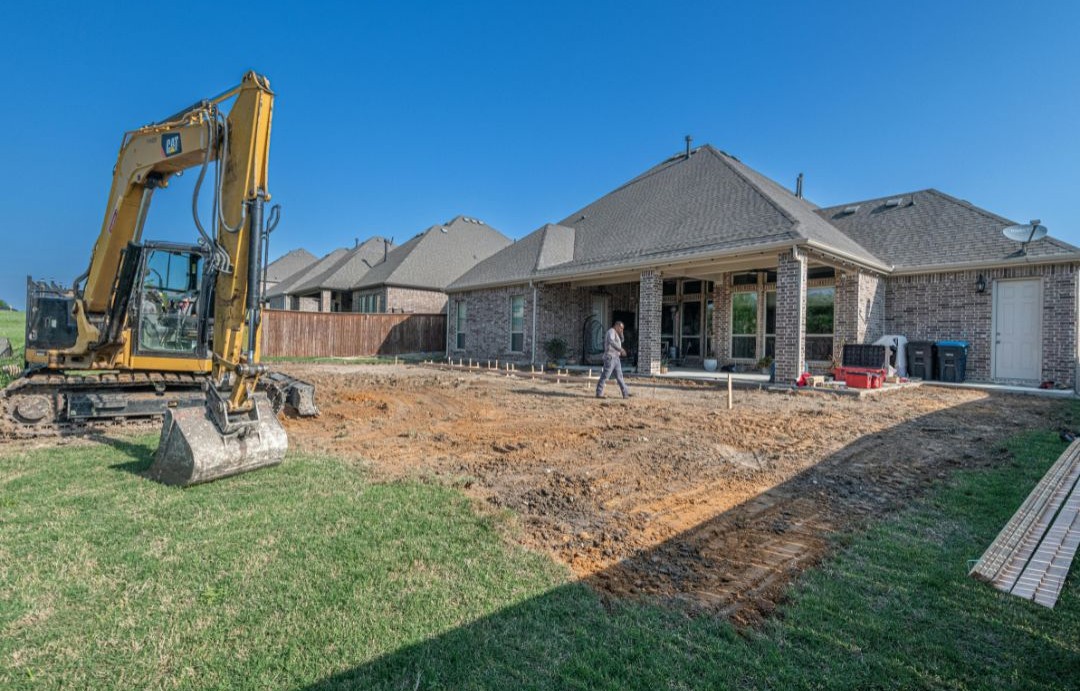
Market dynamics shaping real estate reveal that home prices in new construction communities have dropped between 8% and 15% from their 2022 peaks. Builders are absorbing these reductions rather than waiting for market conditions to improve, recognizing that carrying costs on completed homes exceed the profit margins they're sacrificing through price cuts. Some builders are offering cash contributions that effectively reduce your purchase price by $20,000 to $40,000 when applied strategically to closing costs and prepaid expenses.
Acting within the next six months positions you to capture these reductions before builders adjust their strategies. Construction schedules are already slowing for 2025 starts, which means the current oversupply will naturally correct itself through reduced production rather than continued price cuts. Builders who are offering the most aggressive terms today will likely scale back these concessions once their existing inventory moves, making your window for maximum savings relatively narrow.
Taking advantage of these conditions requires understanding that builders view each completed home as a monthly carrying cost that erodes their overall project profitability. Every month a finished home sits unsold costs builders approximately $3,000 to $5,000 in interest, taxes, insurance, and maintenance expenses. This financial pressure motivates builders to accept deals they would have rejected just two years ago, creating opportunities for buyers who can move quickly and negotiate confidently.
Builder Incentives and Buyer Benefits
Construction companies are deploying financial strategies that directly reduce your monthly housing expenses and upfront costs in ways that weren't available during the seller's market. These programs stem from builders' need to move inventory while maintaining profit margins on their developments. The competitive environment has pushed builders to offer packages that combine multiple financial benefits, creating compound savings that can total tens of thousands of dollars over the life of your mortgage.
Interest rate reductions represent the most significant financial advantage builders are providing to qualified buyers. With mortgage rates in the high 6% for much of 2025, builders are using their relationships with preferred lenders to secure rates that can be 0.5% to 1.5% lower than market averages. Previous research showed that at typical new-home prices, a half-point mortgage rate reduction could mean a savings of $168 per month. These rate buydowns are structured as permanent reductions rather than temporary teaser rates, meaning your lower payment continues throughout your loan term. More than two-thirds of builder communities are promoting reduced mortgage rates, with 1,645 new-home communities nationwide offering reduced rates.
Beyond financing advantages, builders are providing cash contributions that address the immediate financial barriers to homeownership. These programs take several forms that you can stack together for maximum benefit:
- Flex cash programs - Lump sum credits ranging from $15,000 to $35,000 that apply toward closing costs, prepaid expenses, or premium home features and finishes
- Closing cost coverage - Direct payment of title insurance, attorney fees, inspection costs, and loan origination charges that typically total $8,000 to $12,000
- Appliance package upgrades - Premium kitchen suites, washer and dryer sets, and smart home technology packages included at no additional charge
- Flooring and fixture enhancements - Hardwood throughout main living areas, upgraded bathroom vanities, and designer lighting fixtures as standard features
- Landscaping and outdoor improvements - Complete yard installation, irrigation systems, and covered patio additions that would cost $10,000 to $20,000 if added later

Builders are willing to help out with closing costs to get a deal done, offering these credits because carrying completed homes costs them significantly more than the concessions they're providing. The combination of reduced interest rates and cash contributions creates a financial advantage that extends well beyond the purchase transaction, affecting your monthly budget and long-term wealth building.
Securing these comprehensive packages requires moving decisively while builders maintain their current promotional structures. Construction schedules are already adjusting for reduced 2025 production, which means the inventory driving these generous terms will naturally decrease over the coming months without builders needing to maintain the same level of financial incentives.
Navigating the Home Buying Process
Successful home acquisition begins with securing pre-approval from multiple lenders to establish your exact purchasing power and demonstrate serious intent to builders. This financial foundation allows you to move quickly when you find the right property, especially important given that builders are prioritizing qualified buyers who can close within 30 to 45 days. Pre-approval also reveals your debt-to-income ratio and credit score positioning, which determines your eligibility for the most favorable builder financing programs and rate buydowns currently available.
Investigating the track record and financial stability of construction companies protects your investment and ensures project completion. Research builders through state licensing boards, Better Business Bureau ratings, and local building department records to identify any patterns of delayed completions, warranty disputes, or financial difficulties. Established builders like Toll Brothers, KB Home, and Richmond American maintain consistent construction schedules and honor warranty commitments, while smaller regional builders may offer more personalized service but require additional due diligence regarding their bonding and insurance coverage.
Community infrastructure and planned development phases significantly impact your daily life and property values over time. Examine municipal plans for schools, transportation improvements, commercial development, and utility expansions that will affect your neighborhood's desirability. Communities with established HOA structures, completed amenities, and mature landscaping typically appreciate faster than developments still under construction. Visit communities during different times of day and week to assess traffic patterns, noise levels, and the demographic mix of current residents.
Evaluating Long-Term Investment Potential
Property appreciation depends on location fundamentals that extend beyond the immediate neighborhood to include employment centers, population growth trends, and economic diversification. Areas within 30 minutes of major job hubs, universities, or medical centers historically maintain stronger resale values than communities dependent on single industries. Research local employment statistics, planned corporate relocations, and infrastructure investments that signal long-term economic stability and growth potential for the region.
School district quality and boundaries directly influence property values, with homes in top-rated districts commanding premiums of 15% to 25% over comparable properties in average-performing districts. Verify school assignments through district websites rather than relying on builder representations, as attendance zones can change with new construction and redistricting. Future school construction plans and capacity expansions indicate whether the district can maintain quality standards as the community grows.
Resale market dynamics in new construction communities depend on absorption rates, lot availability, and builder pricing strategies that affect competition when you eventually sell. Communities with limited remaining lots and controlled release schedules maintain price stability better than developments with extensive future phases that could flood the market with competing inventory. The median U.S. sale price is $434,000 — up 0.9% from a year ago, indicating steady appreciation trends that support new home investments in well-positioned markets.
Analyzing comparable sales data from similar communities helps establish realistic appreciation expectations and identifies pricing anomalies that could signal exceptional value or potential concerns. Focus on homes sold within the past six months in similar price ranges and square footage to understand market velocity and buyer preferences in your target area.
Timing your purchase during current market conditions positions you to benefit from builder concessions while avoiding the premium pricing that typically accompanies low inventory periods. Mortgage rates are holding near 12‑month lows, offering homebuyers a window of affordability that may not persist as market conditions normalize and builder inventory levels adjust to more typical supply-demand ratios.

The Advantage of Working with Experts
Independent professionals bring specialized knowledge of construction company operations, pricing structures, and market dynamics that most buyers lack when entering new home communities. These representatives understand how builders calculate profit margins on different home models, which upgrades carry the highest markups, and when construction companies face the most pressure to close deals quickly. Their expertise becomes particularly valuable during periods of high inventory when builders are motivated to negotiate terms they would typically refuse.
"A buyer's agent works for homebuyers to represent their best interests throughout the transaction," according to the National Association of Realtors (NAR). This advocacy proves essential when dealing with on-site sales teams whose compensation depends on maximizing builder revenue rather than securing the best terms for purchasers. Builder representatives work within predetermined parameters for discounts and incentives, while independent professionals can identify opportunities to combine multiple concessions that on-site staff might not offer voluntarily.
Professional representation provides access to comprehensive market intelligence that extends beyond individual communities. These experts track pricing trends across multiple builders, monitor inventory levels in competing developments, and understand which construction companies are offering the most aggressive terms. They also maintain relationships with preferred lenders who can structure financing packages that complement builder incentives, potentially stacking rate reductions with cash contributions for maximum savings.
Strategic Approaches That Deliver Results
Effective representation begins with thorough preparation before entering any sales office or model home tour. Professionals research recent sales data, current inventory levels, and construction timelines to establish realistic negotiation parameters. They identify which home sites remain available, understand lot premium structures, and determine which upgrades offer genuine value versus those that primarily boost builder profits.
The most successful strategies focus on areas where builders maintain flexibility rather than fixed pricing policies. These include:
- Timing-based concessions - Requesting additional incentives for quick closings or flexible move-in dates that help builders manage cash flow
- Upgrade bundling - Negotiating package deals that combine flooring, appliances, and fixtures at reduced total costs
- Closing cost structures - Arranging for builders to cover expenses like title insurance, attorney fees, and prepaid taxes that reduce upfront cash requirements
- Warranty enhancements - Securing extended coverage periods or additional systems protection beyond standard builder warranties
"The builder often picks up many closing costs and can show some flexibility with pricing," industry professionals note, highlighting opportunities that many buyers miss when working directly with sales teams. Professional representatives understand which requests builders can accommodate within their approval authority and which require escalation to regional managers or corporate decision-makers.
Successful outcomes often result from persistence and creative structuring rather than simple price reduction requests. Experienced professionals know when to push for additional concessions and when to accept current offers, based on their understanding of builder inventory pressures and sales targets. They also recognize which communities offer the greatest negotiation potential based on completion schedules and absorption rates.
Choosing professional representation means gaining an advocate who prioritizes your financial interests over builder sales objectives. "Buyers can either pay the agent directly through a negotiated fee, or the agent may share in a commission from the listing broker," providing flexibility in compensation arrangements that align with your specific situation and budget considerations.

Making the Most of Timing and Trends
Market cycles create distinct windows when buyer advantages reach their peak, and recognizing these patterns can save you substantial money on your home purchase. Construction companies operate on quarterly sales targets and annual financial reporting schedules that directly influence their willingness to negotiate terms. When builders face inventory pressure during specific months, they become more flexible with pricing structures and incentive packages than during high-demand periods. Understanding these cyclical patterns allows you to enter negotiations when builders are most motivated to close deals quickly.
Seasonal inventory fluctuations significantly impact your negotiating position and available home selection. Fall months typically bring "32% more listings compared to the start of the year" as builders rush to complete projects before winter weather slows construction activities. This increased supply coincides with "30% fewer active buyers than during peak summer" shopping periods, creating ideal conditions for serious purchasers. The combination of higher inventory and reduced competition means builders face genuine pressure to move completed homes rather than carry them into slower winter months.
Regional market variations create dramatically different opportunities depending on your target location, with some areas experiencing builder concessions months ahead of national trends. Southwestern markets like Phoenix and Las Vegas often see inventory buildups earlier in the year due to extreme summer heat limiting construction activities, while Northeastern markets may not reach peak inventory levels until late fall. Texas markets including Austin and Dallas maintain more consistent building schedules year-round but experience significant buyer competition fluctuations based on corporate relocation patterns and university schedules. Florida communities show distinct seasonal patterns tied to snowbird migration, with builders offering their most aggressive terms during summer months when northern buyers are less active.
These geographic differences mean your optimal purchase window may occur weeks or months before national trends suggest. California markets frequently peak in August and September as tech companies complete hiring cycles and families settle before school starts, while Midwest markets often see their best buyer conditions extend into November as builders clear inventory before winter shutdowns. Mountain West regions experience unique patterns where altitude and weather create compressed building seasons, leading to concentrated inventory releases that benefit informed buyers.
Waiting for broader market recovery eliminates the current advantages that make this period exceptional for home purchases. "Listing prices are expected to be 3-4% lower than seasonal highs" during optimal buying windows, representing potential savings of "$15,000+" on median-priced homes in many markets. These price reductions reflect builder urgency rather than market weakness, meaning they disappear quickly once inventory levels normalize through reduced construction starts rather than continued sales volume.
Construction companies are already adjusting their 2025 building schedules based on current absorption rates, which means the oversupply driving today's concessions will correct naturally without requiring sustained price cuts. Builders who are offering rate buydowns, cash contributions, and upgrade packages today will scale back these programs once their immediate inventory concerns resolve. The financial pressure motivating current builder flexibility stems from carrying costs on completed homes, not fundamental market problems that require extended correction periods.
Capitalizing on current conditions requires decisive action while builders maintain their most buyer-friendly policies. "By mid-October, buyers across much of the country may finally find the combination of inventory, pricing, and negotiating power they've been waiting for" according to market analysis, but this window closes as construction schedules adjust to match actual demand levels rather than the optimistic projections that created current oversupply situations.

Final Thoughts
The current new home market presents a rare window of opportunity that smart buyers shouldn't ignore. We've examined how builder incentives have reached unprecedented levels, with price reductions averaging 5-10% and mortgage rate buy-downs offering substantial savings over loan terms. Construction trends show builders adapting to buyer demands with energy-efficient features and flexible floor plans, while inventory levels provide genuine choice rather than rushed decisions.
This information arms you with the knowledge to negotiate from a position of strength. Understanding builder strategies means recognizing when developers need to move inventory quickly, creating leverage for significant concessions. The financial incentives we've discussed can translate to tens of thousands in immediate savings and long-term benefits through reduced monthly payments.
Market data reveals that waiting often costs more than acting. Interest rates remain volatile, and builder incentives typically decrease as demand increases. The combination of motivated sellers, competitive pricing, and attractive financing options creates conditions that favor buyers willing to move decisively.
Working with an independent real estate agent becomes crucial in this environment. These professionals understand builder tactics, can identify the best incentive packages, and negotiate terms that maximize your investment. They serve as your advocate in a process where builders primarily represent their own interests.
Your dream home awaits in a market that rewards informed action. Don't let analysis paralysis prevent you from capitalizing on these favorable conditions. Connect with a qualified agent, explore available inventory, and take the steps necessary to secure your future in a home that meets both your needs and your budget.
Check out this article next