

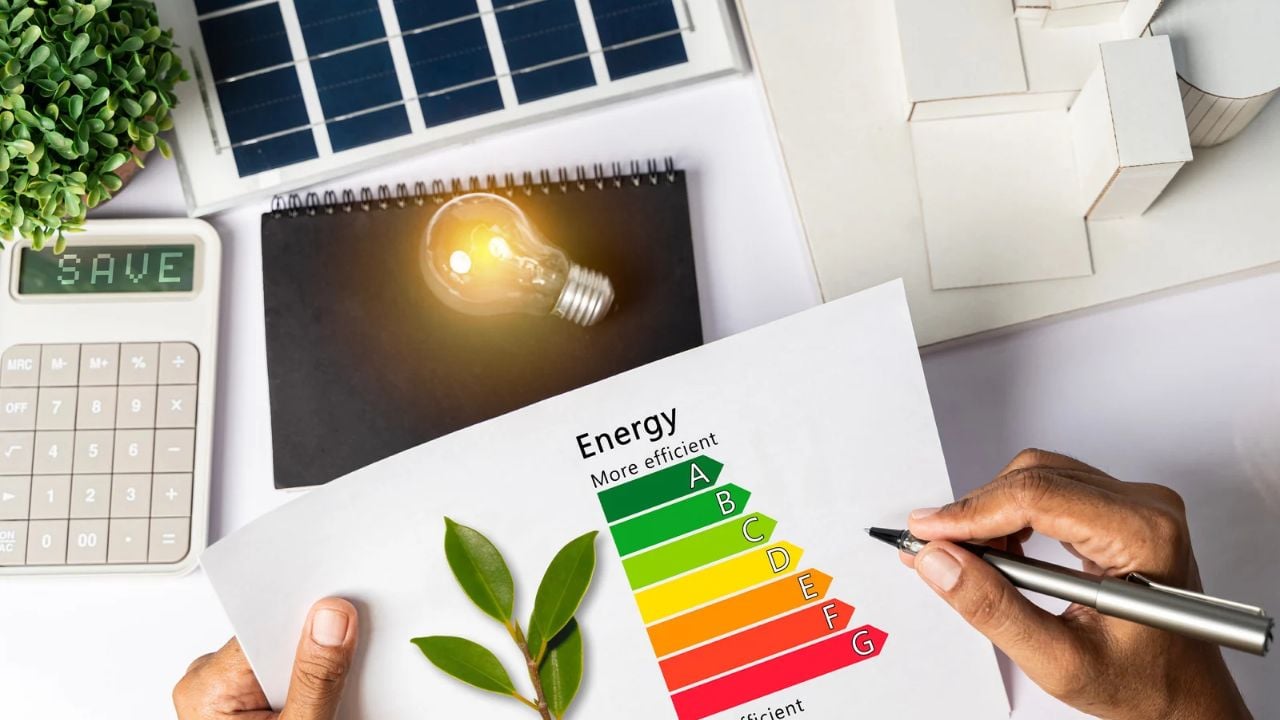
How can you improve your home’s energy efficiency without taking on a major renovation?
You can improve your home’s energy efficiency by sealing air leaks, checking insulation, maintaining heating and cooling systems, switching to LED lighting, and choosing efficient appliances when replacements are needed. Starting with a few targeted improvements can help reduce wasted energy, improve comfort, and make your home easier to maintain.
Why Home Energy Efficiency Matters
Whether you own a home in Gig Harbor, Tacoma, Bremerton, or Port Orchard, energy efficiency is worth considering as part of your regular home maintenance plan. A more efficient home can help you manage utility use, maintain comfortable indoor temperatures, and make thoughtful decisions about future upgrades.
The best approach is to identify where your home wastes energy before investing in expensive improvements. The U.S. Department of Energy recommends evaluating your home’s energy use to determine which upgrades are most appropriate. Source: U.S. Department of Energy.
1. Seal Drafts Around Windows and Doors
Small gaps around windows, exterior doors, plumbing openings, and other penetrations can allow conditioned air to escape. This can make rooms uncomfortable and cause heating or cooling systems to work harder.
Start by checking for noticeable drafts around window frames and door edges. Weatherstripping can help seal moving components, while caulk is generally suited to stationary gaps. Addressing these areas can be a relatively accessible first step toward improving energy efficiency.
In the Pacific Northwest, where cool, damp weather is common, proper moisture management matters, too. Before sealing an area, investigate any signs of water intrusion or damage. Keep required ventilation and combustion-air openings unobstructed, and consult a qualified professional when the appropriate repair is unclear.
2. Check Your Insulation and Ventilation
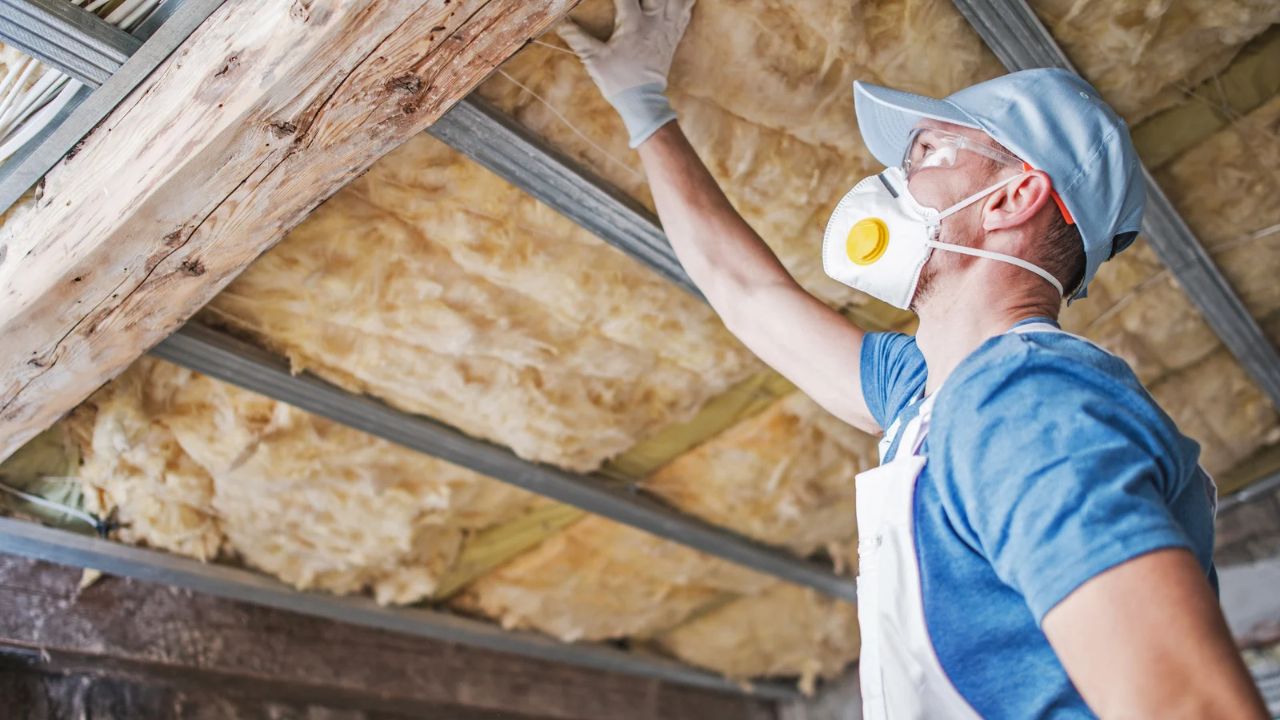
Insulation helps slow heat transfer through your home’s walls, roof, floors, and other parts of the building envelope. If insulation is inadequate or uneven, indoor temperatures may be harder to maintain.
Consider checking your attic, crawl space, and other accessible areas for insulation gaps, moisture, or visible damage. An energy assessment can help identify where improvements may be most beneficial.
Remember that insulation and ventilation work together. Simply sealing a home without addressing moisture and indoor-air requirements can create new problems. A well-planned upgrade should consider air sealing, insulation, and appropriate ventilation as part of the same strategy.
Source: U.S. Department of Energy — Insulation and Air Sealing
3. Maintain Your Heating and Cooling System
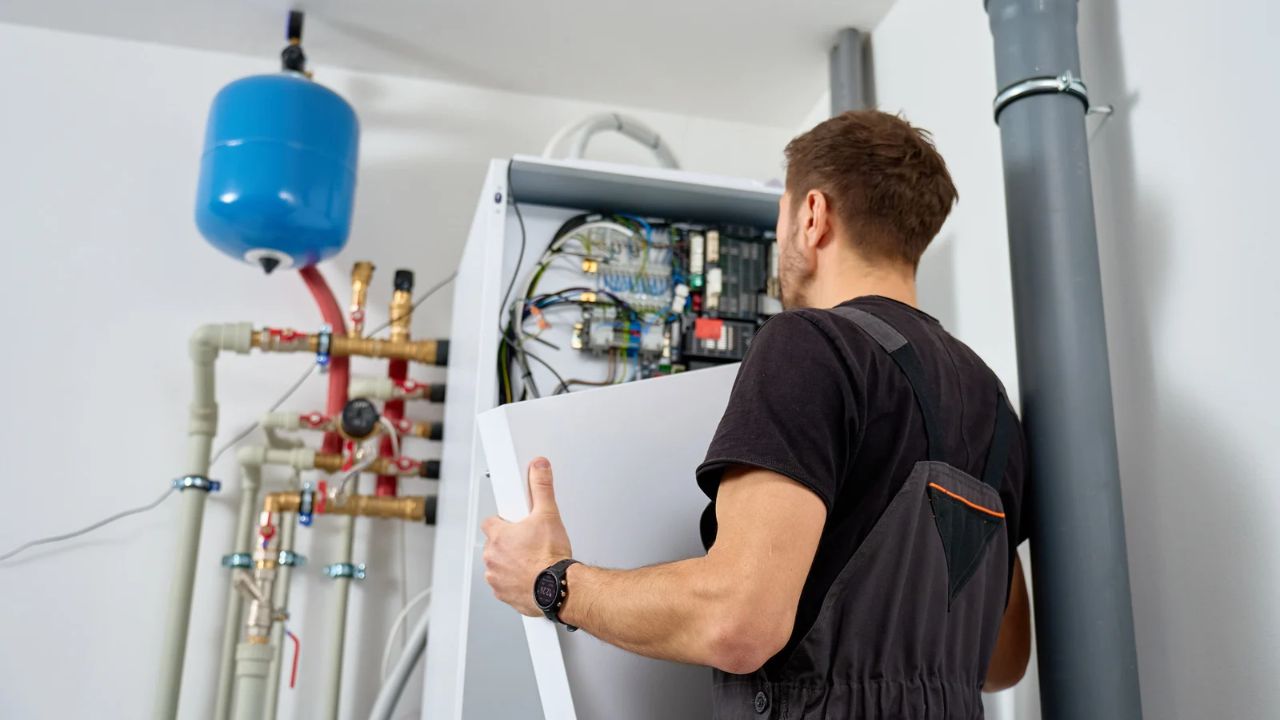
Your heating and cooling equipment deserves regular attention. A neglected system may not operate as effectively as it should, while dirty filters can restrict airflow.
To support efficient operation:
Check and clean or replace filters according to the manufacturer’s instructions.
Keep supply and return vents clear of furniture and other obstructions.
Arrange routine maintenance for your heating and cooling equipment.
Ask a qualified technician to assess unusual noises, uneven temperatures, or persistent performance issues.
If your system is nearing the end of its useful life, compare suitable high-efficiency replacement options before making a decision. The right choice depends on your home, existing equipment, climate, and budget.
4. Switch to LED Lighting and Efficient Appliances
Lighting and appliances offer another opportunity to reduce unnecessary energy use.
LED bulbs generally use less electricity than traditional incandescent bulbs and last longer. Start by replacing frequently used incandescent bulbs, then consider other lighting upgrades as your budget allows.
When shopping for a refrigerator, washing machine, dishwasher, or heating and cooling equipment, compare energy-use information and look for ENERGY STAR-certified models where applicable. An efficient product can use less energy to perform the same task, although actual savings depend on how you use it and what it replaces.
Explore ENERGY STAR’s product resources to compare eligible options.
5. Use Energy More Thoughtfully Every Day
You do not have to renovate your entire home to make progress. Everyday habits can help you avoid unnecessary energy consumption.
Try these simple steps:
Turn off lights in unoccupied rooms.
Use sleep or power-saving settings on electronics.
Run full loads in your dishwasher and washing machine when practical.
Review your utility bills to identify unusual changes in consumption.
Adjust heating and cooling settings to suit your schedule and comfort needs.
These actions are easy to start, and they can complement larger improvements over time.
6. Prioritize Improvements Before Spending Big
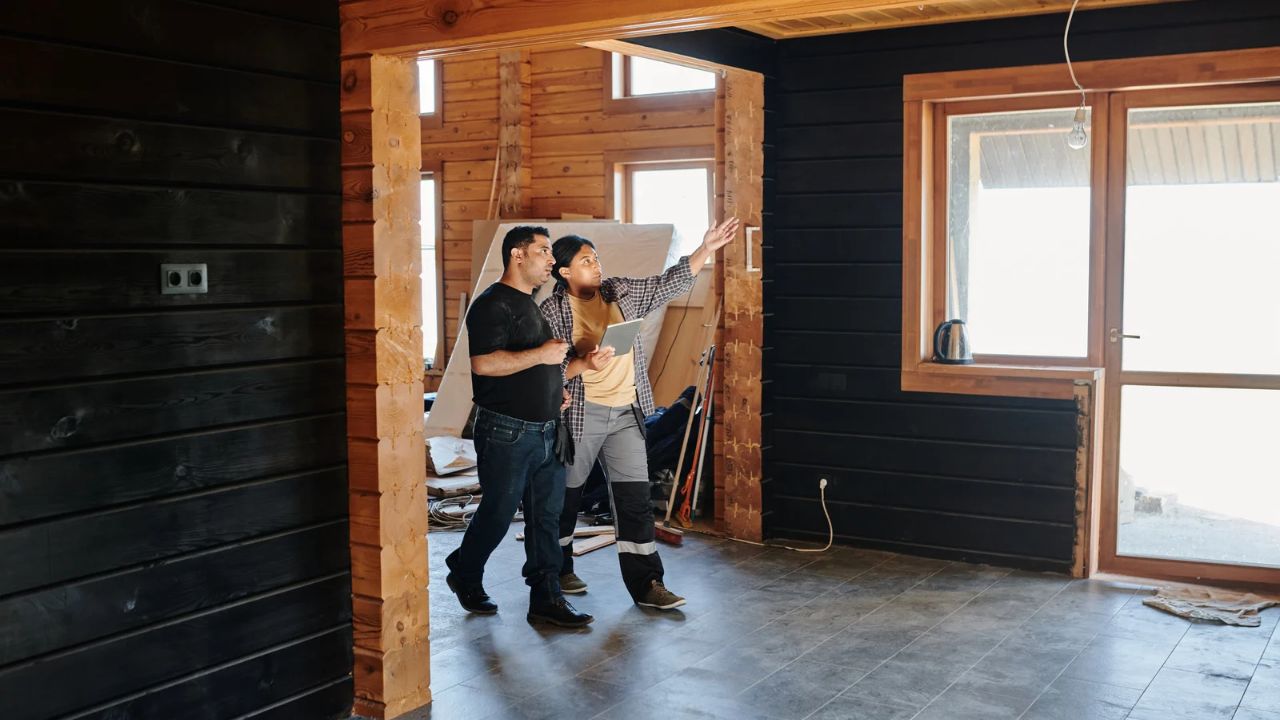
If you are considering several energy-efficient home improvements, begin with an assessment rather than replacing everything at once. A home energy assessment can help you understand which issues deserve attention first.
In Washington, eligible homeowners and renters may also qualify for assistance through the Washington State Department of Commerce Weatherization Program. Eligibility and available services depend on program requirements and local agency processes.
Keep receipts, product information, and records of completed work. These details can help you track maintenance, understand what has been upgraded, and share accurate information when discussing your home with prospective buyers.
The Takeaway: Start Small and Make a Plan
Learning how to improve home energy efficiency starts with understanding your home’s needs. From sealing drafts and checking insulation to maintaining equipment and choosing efficient appliances, practical steps can help reduce energy waste and improve everyday comfort.
The most effective ways to lower energy bills will vary by property, household habits, and existing systems. Focus on improvements that address your home’s actual needs, and avoid assuming that every upgrade will produce the same results or increase resale value.
As a REALTOR® serving Gig Harbor, Tacoma, Bremerton, and Port Orchard, I believe informed homeownership starts with understanding your property and planning improvements thoughtfully.
Have Questions About Your Real Estate Goals?
If you are thinking about buying a home, preparing to sell, or deciding which improvements to consider before your next move, contact REALTOR® Lisa Wray, to discuss your real estate goals in PNW.
Check out this article next